 Do you have rats or mice around your home and need a rat removal service? We provide rodent control services in Houston, Dallas, Fort Worth, and Austin, Texas. Get rid of mice and rats from our company.
Rats and mice both carry diseases.
If they have invaded your home, it is essential that you arrange for rat removal to avoid problems.
Call 281-961-0131 to get rid of Rats & Mice
Rats
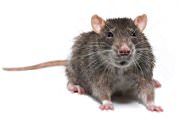
The best-known rat species are the Black Rat and the Brown or Norway Rat. They are opportunistic survivors and often live with and near humans.
By most standards, rats are considered pests. They are very destructive to crops and property. They multiply quickly where predators are absent, like in cities and suburbs. Their populations can quickly spiral out of control.
Rats can carry over thirty different diseases dangerous to humans, including Weil’s disease, typhus, salmonella, and of course bubonic plague. The Black Plague was likely caused by a small organism carried by the rat flea which preyed on these rodents living in European cities of the day. (The rats also died of the plague.)
Rats like chewing electrical cables. Surprisingly, 26% of all electrical cable breaks are caused by rats, and 25% of all fires of unknown origin are estimated to be caused by rats.
Rats will live in attics, walls, basements, crawl spaces, or in any living space that they are able to enter. They are colonizing animals. Buildings and homes usually contain more than one group.
They can enter your home through a half inch opening. So it doesn’t take much for them to enter your home.
Mice
Mouse-like species are among the oldest mammals. The best known species is the common house mouse.
Due to its remarkable adaptability to almost any environment, and its ability to live with humans, the mouse is regarded to be the third most successful mammalian species living on Earth today, after humans and the rat.
Mice can be harmful pests, damaging and eating crops and spreading diseases through their parasites and feces.
In the Western United States, breathing dust that has come in contact with mouse feces has been linked to the deadly hantavirus. Like rats they can multiply very quickly.
Call Us for Rat Removal (Rodent Control)
If you have a problem with rats or mice, call Wilderness Animal Control today to arrange for rat removal. Our number is 281-961-0131.